What's in this guide
If you’re a teacher planning to work in the UAE, or you’re transiting through it on the way to a Gulf teaching job, a new 21-day rule now affects how and when you can travel. On 11 November 2026, the UAE lifted its Ebola-related suspension on new visas for Ugandan nationals, according to The National and Gulf News, replacing an outright ban with a conditional entry window.
What changed, and why it matters beyond Uganda
The UAE had suspended new visa issuance for Ugandan nationals in June 2026 after an Ebola outbreak was confirmed in Uganda’s Bundibugyo district. According to Khaleej Times and The National, the suspension is now lifted because Uganda’s Ministry of Health declared the outbreak over on 28 July 2026, after interrupting local transmission and completing the required public health follow-up period.

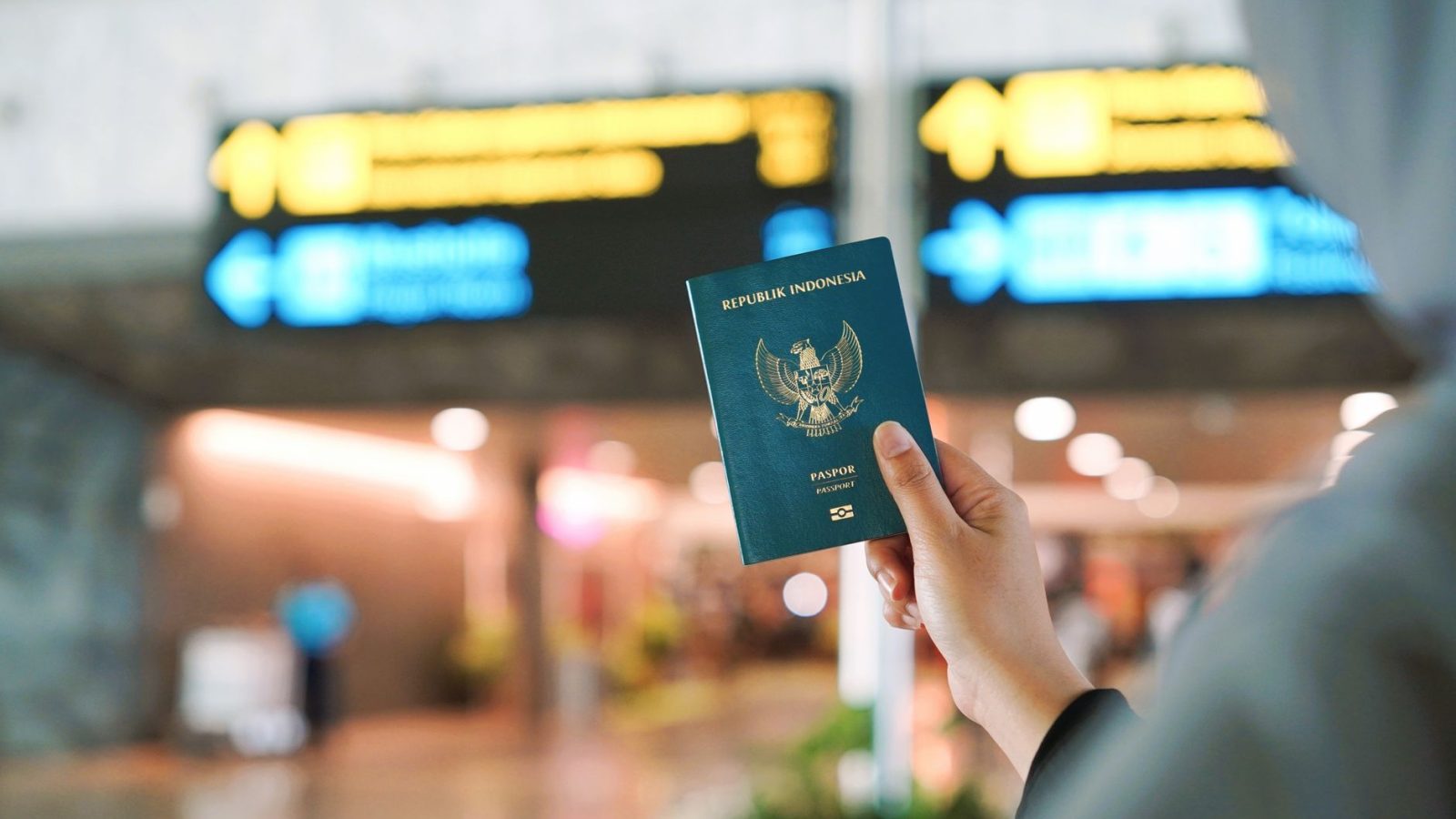
The replacement rule, reported by Gulf News and Sharjah 24, requires that Ugandan passport holders — including those simply transiting through UAE airports — have spent at least 21 days outside Uganda before they arrive in the Emirates. Anyone who cannot show that gap is turned back at the border or denied a visa, regardless of the purpose of travel.
For anyone in ESL recruitment pipelines, this matters for two reasons. First, it’s a reminder that Gulf immigration authorities can and do impose health-related travel conditions with little notice, and that these conditions apply to transit passengers, not only to people staying long-term. Second, it shows how UAE immigration policy is currently handling African health emergencies differently country by country — a pattern worth watching if you’re sourcing candidates or planning a move that routes through Dubai or Abu Dhabi.
Who is exempt
According to The National, three groups are exempt from the 21-day condition:
- Ugandan students who were already enrolled in UAE institutions before June 2026
- Embassy administrative staff
- Diplomatic passport holders
Notably, there is no blanket exemption for employment visa holders or teachers already under contract, so anyone recruiting Ugandan staff for UAE-based schools or language centres needs to check current status directly with UAE immigration rather than assume continuity from before June.
Two other countries are still restricted
Khaleej Times and Gulf News both confirm that visa suspensions remain fully in place for travellers from the Democratic Republic of the Congo and South Sudan, due to separate, ongoing health concerns in those countries. If you’re coordinating relocation for ESL staff or recruiting from the region, this isn’t a general Gulf reopening — it’s a country-specific decision that currently applies only to Uganda.
What this means if you’re planning a move to teach in the UAE
Three practical takeaways follow from this update:
These kinds of entry conditions sit alongside the UAE’s separate, better-known visa categories for educators — including the Golden Visa routes outlined in our guide to new UAE Golden Visa requirements for educators in 2026 and our breakdown of who actually qualifies in the eligibility criteria for teachers applying for the UAE’s Golden Visa. Health-related entry suspensions are handled separately from these employment and residency visa tracks, so a change in one doesn’t automatically affect the other.
The broader pattern for teachers abroad
If you’re weighing a Gulf posting against other regions, it’s worth remembering that sudden entry-condition changes aren’t unique to the UAE. Our overview of teaching visa requirements by country is a useful starting point for comparing how different destinations handle visa processing, sponsorship and entry rules before you commit to a contract. For now, the UAE’s message to Ugandan travellers — and to anyone transiting through its airports — is clear: the ban is over, but the clock on your 21 days starts the moment you leave Uganda, not the moment you apply.

Priya Nakamura
Priya has trained new TEFL candidates and assessed teaching practice for in-person and online courses for over eight years. She specialises in the unglamorous part of choosing a course: hours, observed practice, and who…
Read next



Get matched with a course or job that fits
Answer a few quick questions (goal, country, TEFL status) and we point you to a fit — using the same sourced country data as this page, checked 2026-09-27.