What's in this guide
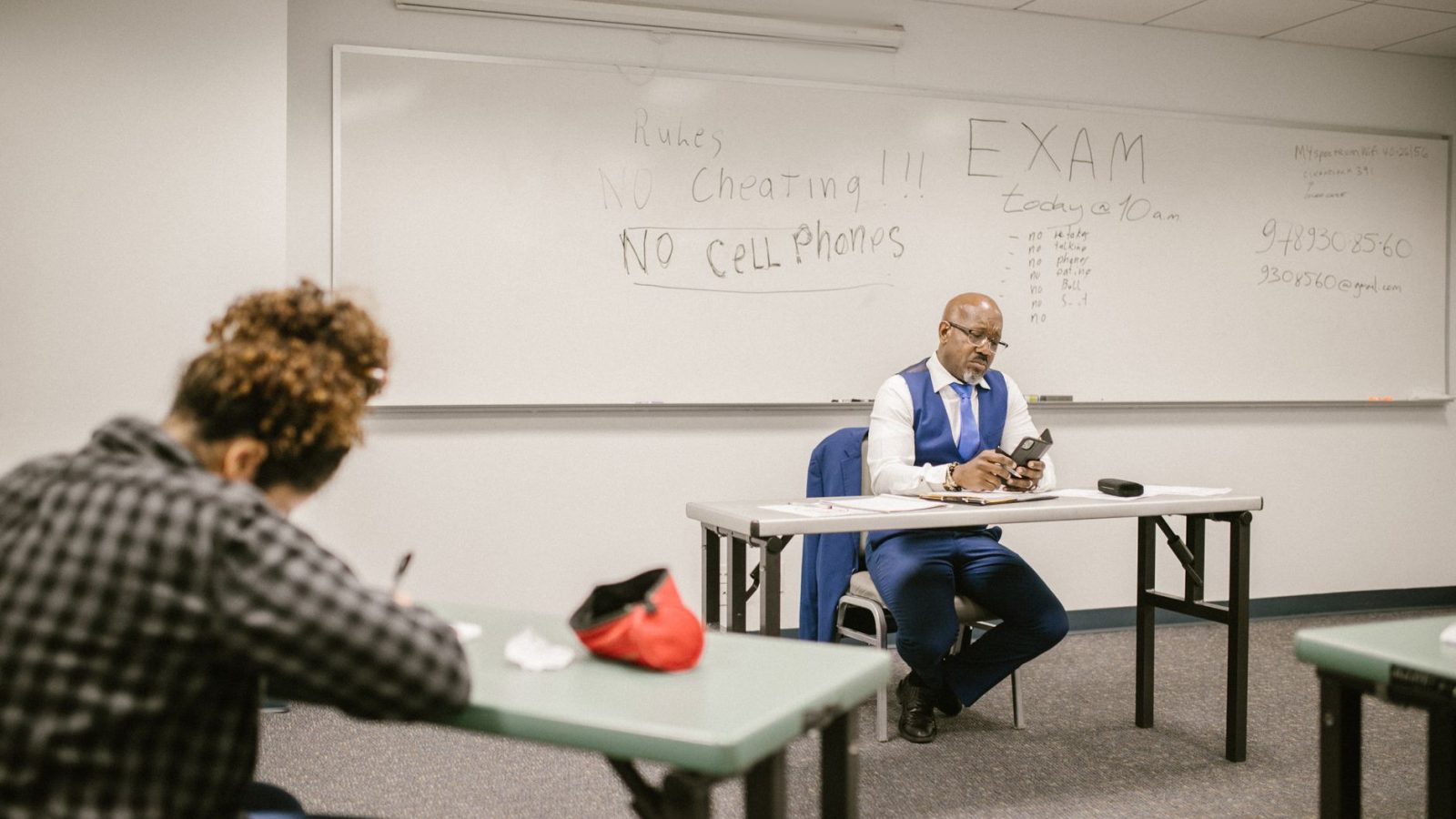
Teachers working in Dubai can no longer use personal phones, WhatsApp or social media accounts to contact students, under a new safeguarding framework announced by the Knowledge and Human Development Authority (KHDA) on 13 November 2026, according to Gulf News. The rule applies across private schools, nurseries, universities and vocational institutes in the emirate, and covers all staff, not just classroom teachers.
What the new KHDA rules actually say
Under the framework reported by Gulf News, teachers and other staff are barred from keeping private contact details for learners, using personal WhatsApp numbers or social media profiles to reach students, accepting unauthorised gifts, showing favouritism, or forming what the policy calls “personal or secretive relationships with learners.” Any communication about schoolwork or school matters must now go through institutionally approved devices and platforms, meaning official school email addresses, learning portals or school-issued messaging tools rather than a teacher’s own phone number or Instagram account.

Staff are also expected to work in visible, supervised environments wherever possible, follow documented protocols for one-to-one meetings with students, and respect specific guidelines on taking or sharing photos and other digital content involving minors. Gulf News reports that the framework explicitly names cyberbullying, online grooming, digital coercion and misuse of artificial intelligence among the risks it is designed to address, though exact penalties for non-compliance were not detailed in the reporting.
Why Dubai is tightening this now
Institutions have been given up to twelve months to bring their internal policies into line, according to Gulf News, suggesting this is a phased rollout rather than an immediate hard cutoff. The timing fits a broader pattern already visible in Dubai’s education sector this year: schools in the emirate have also been adjusting rules on student phone use and even homework policy, and separate reporting has covered under-15 social media restrictions in UAE schools for the 2026-27 year. Taken together, these moves point to education regulators treating digital boundaries — both student-to-student and staff-to-student — as a core safeguarding issue rather than a side policy.
What this means for teachers moving to or working in Dubai
For anyone already teaching English in Dubai, the practical takeaway is simple: stop using a personal number or social account for anything school-related, even informal check-ins with students you know well outside class. Schools are likely to roll out, or expand, official communication tools over the coming months, and new hires should ask about these specifically during onboarding — not assume their old habits from a previous posting abroad will be acceptable here.

This also matters for teachers currently weighing an offer in the UAE. Safeguarding expectations are becoming a standard part of due diligence for contracts in the region, alongside the usual visa and licensing questions. Anyone finalising paperwork should keep an eye on how safeguarding compliance interacts with broader work visa requirements for English teachers abroad, since schools failing to meet KHDA standards could face their own compliance pressure that ripples down to staff sponsorship timelines.
A pattern worth watching
Dubai’s KHDA has shown a tendency this year to issue rules affecting daily classroom practice with relatively short notice, even when implementation windows are generous. Teachers already in post should expect a written policy update from their school within the coming months, likely alongside revised staff handbooks. Those applying for positions now would do well to ask recruiters directly whether a school has already updated its safeguarding policy to match the KHDA framework, since this is now a marker of a well-run institution rather than a bureaucratic footnote.
None of this changes the underlying appeal of teaching in Dubai, but it does add one more item to the onboarding checklist: find out, on day one, which platform the school wants used for any contact with students, and keep personal accounts strictly personal.

Sam Reyes
Sam taught English in South Korea for six years, first with EPIK in a public middle school, then at a Seoul hagwon. He now writes about hiring seasons, visa paperwork and what public and…
Read next
Get matched with a course or job that fits
Answer a few quick questions (goal, country, TEFL status) and we point you to a fit — using the same sourced country data as this page, checked 2026-09-27.